

If you own a business, manage a growing investment portfolio, or are simply exploring your next big move, you’ve probably been immersed in the world of commercial real estate at one point or another. But as a property owner or tenant, it’s less likely that you are familiar with the nitty-gritty details. So what does commercial real estate entail, and more importantly, what does it mean for you?
Commercial real estate is one of the most powerful business-development tools available, but it can also be one of the most complex. This guide breaks it all down: what commercial real estate is, what types of properties fall under the umbrella, how it differs from residential real estate, and what you need to know before buying, leasing, or developing a commercial property in Minnesota and the Upper Midwest.
First things first: What is commercial real estate?
Commercial real estate refers to any property used primarily for business or income-generating purposes rather than personal residence. This includes everything from the retail strip mall anchoring your neighborhood to the sprawling industrial warehouse outside city limits, the medical clinic your doctor works in, and the office building housing a hundred employees.
At its core, commercial real estate is defined by its use and by the economic engine it powers. When businesses need space to operate, grow, or serve customers, commercial real estate is what makes that possible.
Commercial real estate is also a significant asset class. Investors purchase, develop, and manage commercial properties to generate rental income, build long-term equity, and diversify their portfolios beyond the stock market.
Commercial Real Estate vs. Residential Real Estate
Residential real estate involves properties where people live, including single-family homes, condos, townhouses, and small multi-family buildings. Commercial real estate, by contrast, serves businesses and income-generating activities. There are key differences between the two:
- Lease structures are more complex in commercial real estate, often involving triple-net, gross, or modified gross arrangements that assign different cost responsibilities to landlords and tenants.
- Financing for commercial properties is governed by different rules and underwriting standards and loans are typically based on the income potential of the property, not just the borrower’s personal finances.
- Zoning and regulatory requirements are more layered. Municipalities regulate how commercial properties can be used, what can be built, and how modifications are approved.
- Transactions tend to involve larger sums, longer timelines, and more stakeholders, including from architects and contractors to brokers, attorneys, and city officials.
This is why having an experienced partner that understands commercial development from the ground up makes such a difference when searching for or maintaining your commercial property.
Types of Commercial Real Estate
Commercial real estate is not one-size-fits-all. It encompasses a wide range of property types, each with its own market dynamics, use cases, and investment characteristics.
1. Retail
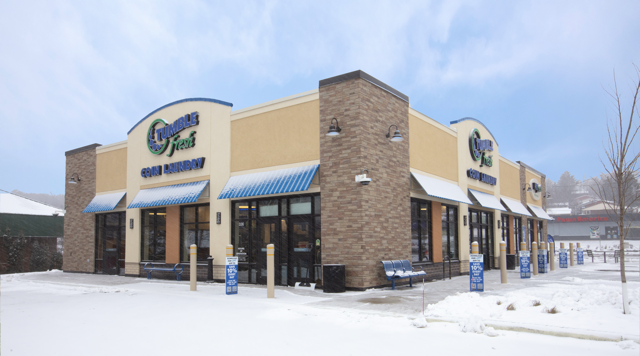
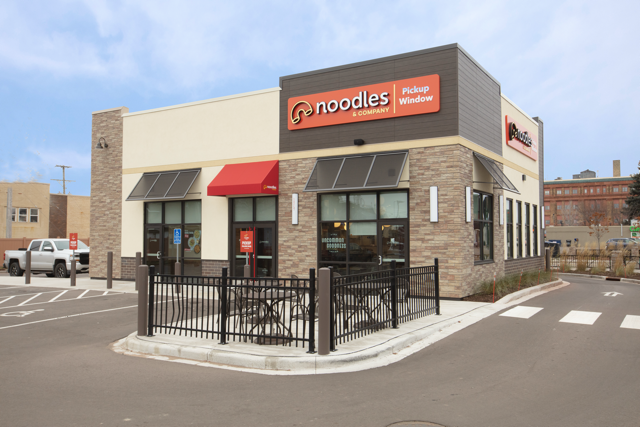
Retail commercial real estate includes any space where businesses sell goods or services directly to consumers. Think strip malls, standalone storefronts, shopping centers, restaurants, and service-based businesses like salons or medical spas.
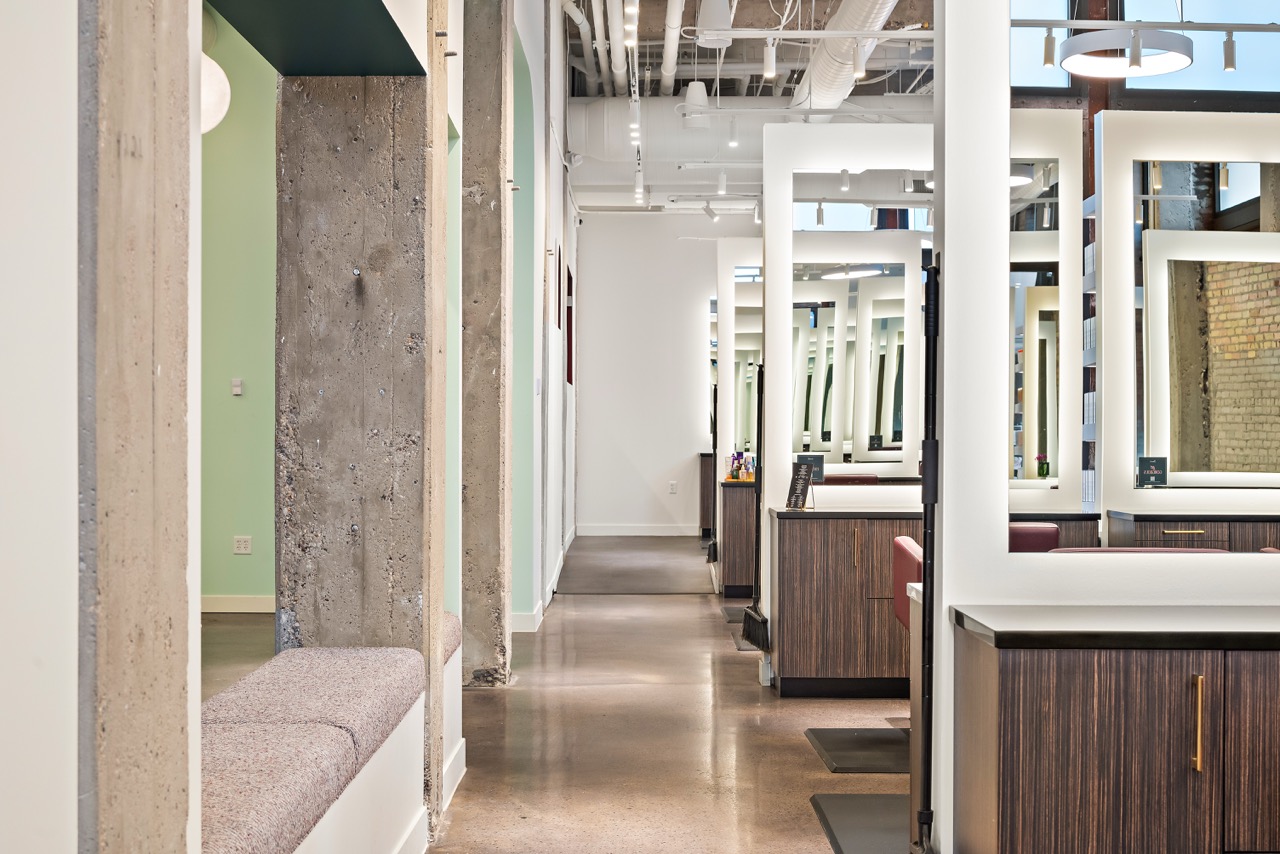
Retail properties require careful attention to traffic patterns, visibility, parking, and co-tenancy. A well-positioned retail space can be a significant competitive advantage for a business. EFH Co has completed retail projects across the Upper Midwest, including tenant improvements for salon expansions, new restaurant builds, and retail center remodels.
2. Office
Office commercial real estate ranges from single-tenant professional buildings to multi-story Class A office towers in urban cores. In the Upper Midwest, many businesses occupy suburban office parks, medical office buildings, and flex office suites.
Post-pandemic, the office market has evolved significantly but demand for well-designed, right-sized office space remains strong among owner-operators and growing regional businesses. Whether you are looking to own your own building or lease out portions of one, office real estate remains a core part of the commercial landscape in markets like Minneapolis, Fargo, and Sioux Falls.
3. Industrial & Warehouse
Industrial commercial real estate includes manufacturing facilities, distribution centers, warehouses, cold storage, and flex industrial spaces. These properties serve the backbone of supply chains and are among the strongest-performing asset classes in recent years.
Industrial development in the upper Midwest has accelerated significantly, driven by regional logistics needs, manufacturing growth, and e-commerce infrastructure investment. Our experience includes warehouse and manufacturing projects across Wisconsin, Minnesota, and the Dakotas.
4. Medical & Healthcare
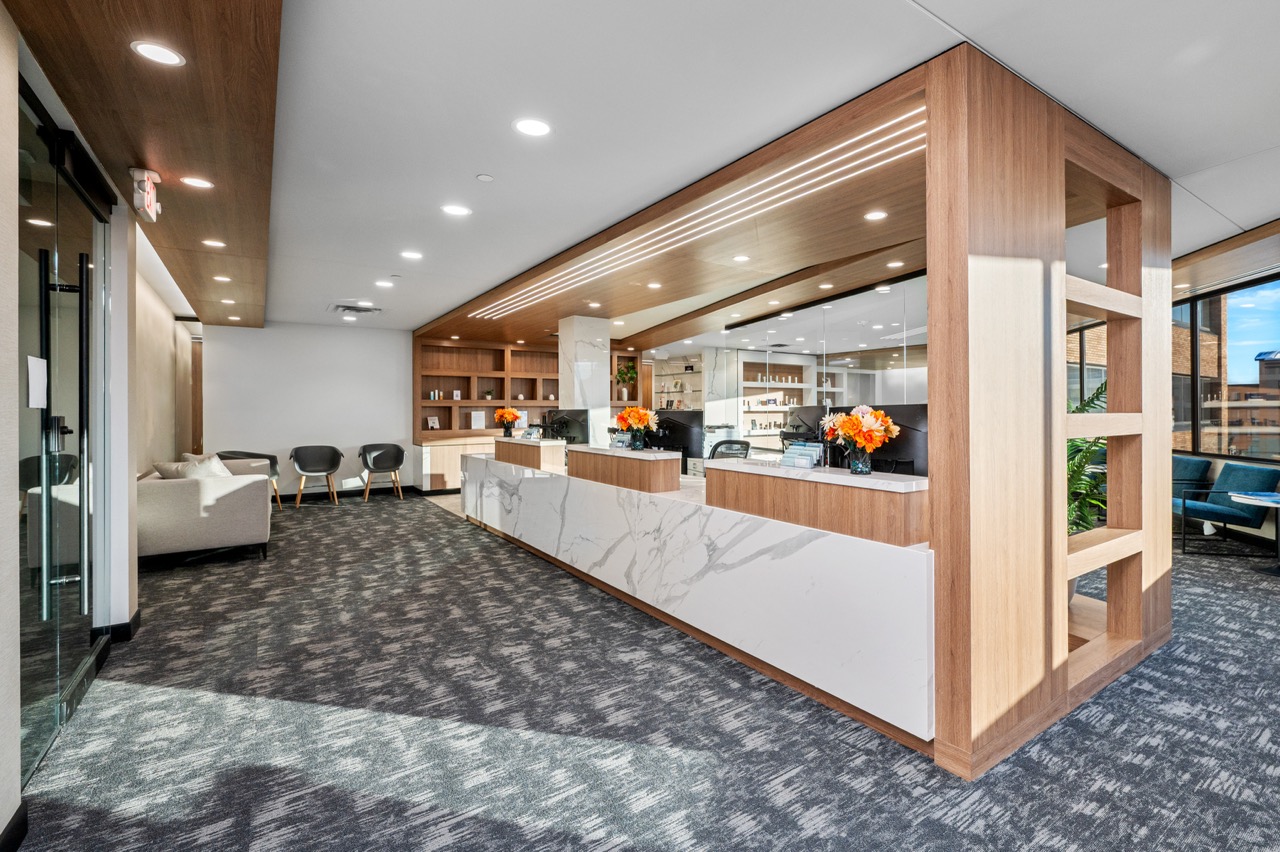
Medical commercial real estate encompasses clinics, dental offices, outpatient facilities, physical therapy centers, and specialty healthcare practices. These properties have unique construction requirements like HVAC standards, plumbing configurations, and ADA compliance that demand a builder who understands the operational needs of healthcare providers.
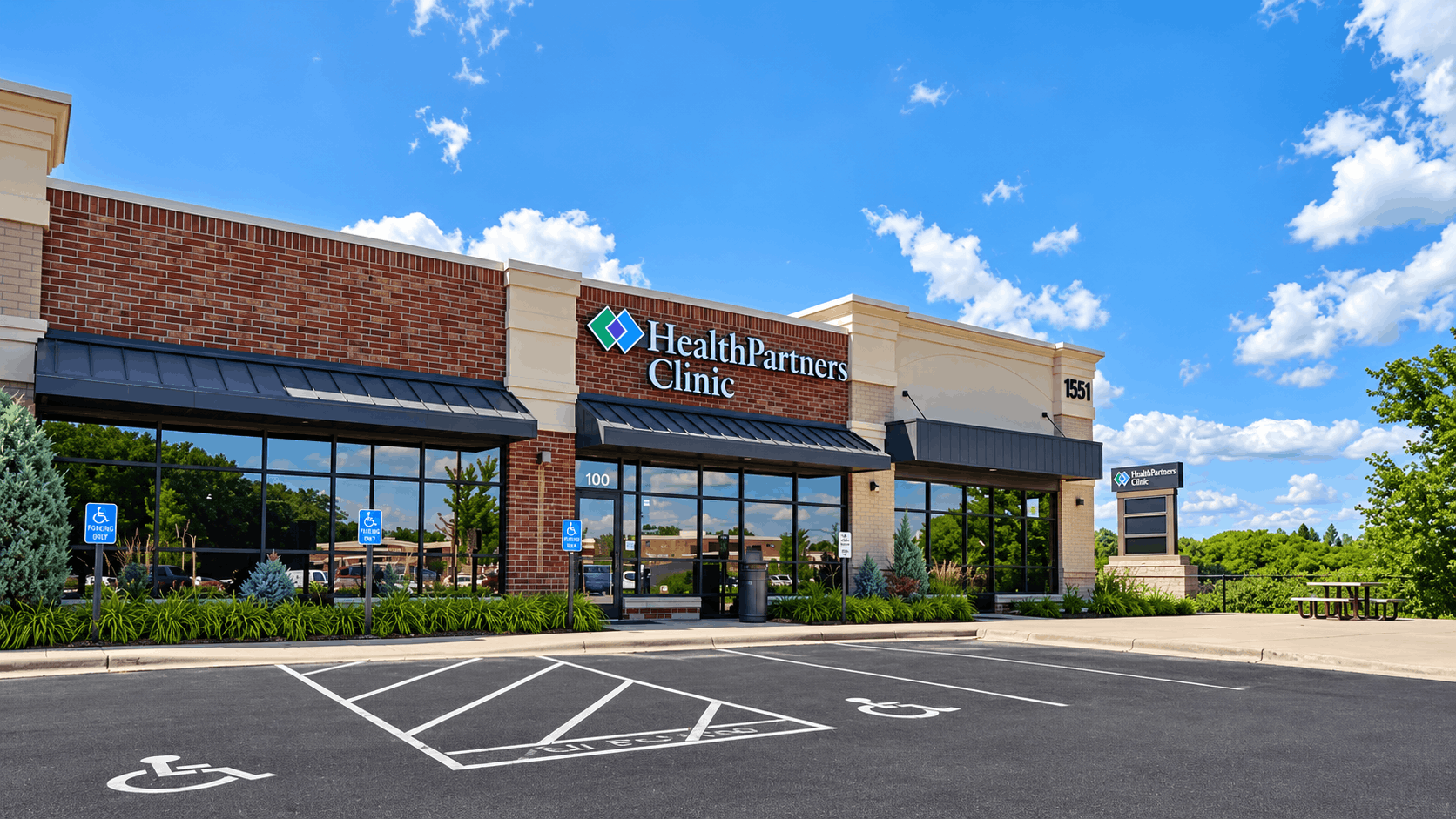
Medical facilities also tend to be long-term occupants with complex buildout needs, making them highly attractive tenants for property owners. Our commercial construction portfolio includes medical office projects such as Lakes Dermatology, Health Partners, and numerous dental and orthodontic clinics.
5. Flex Space
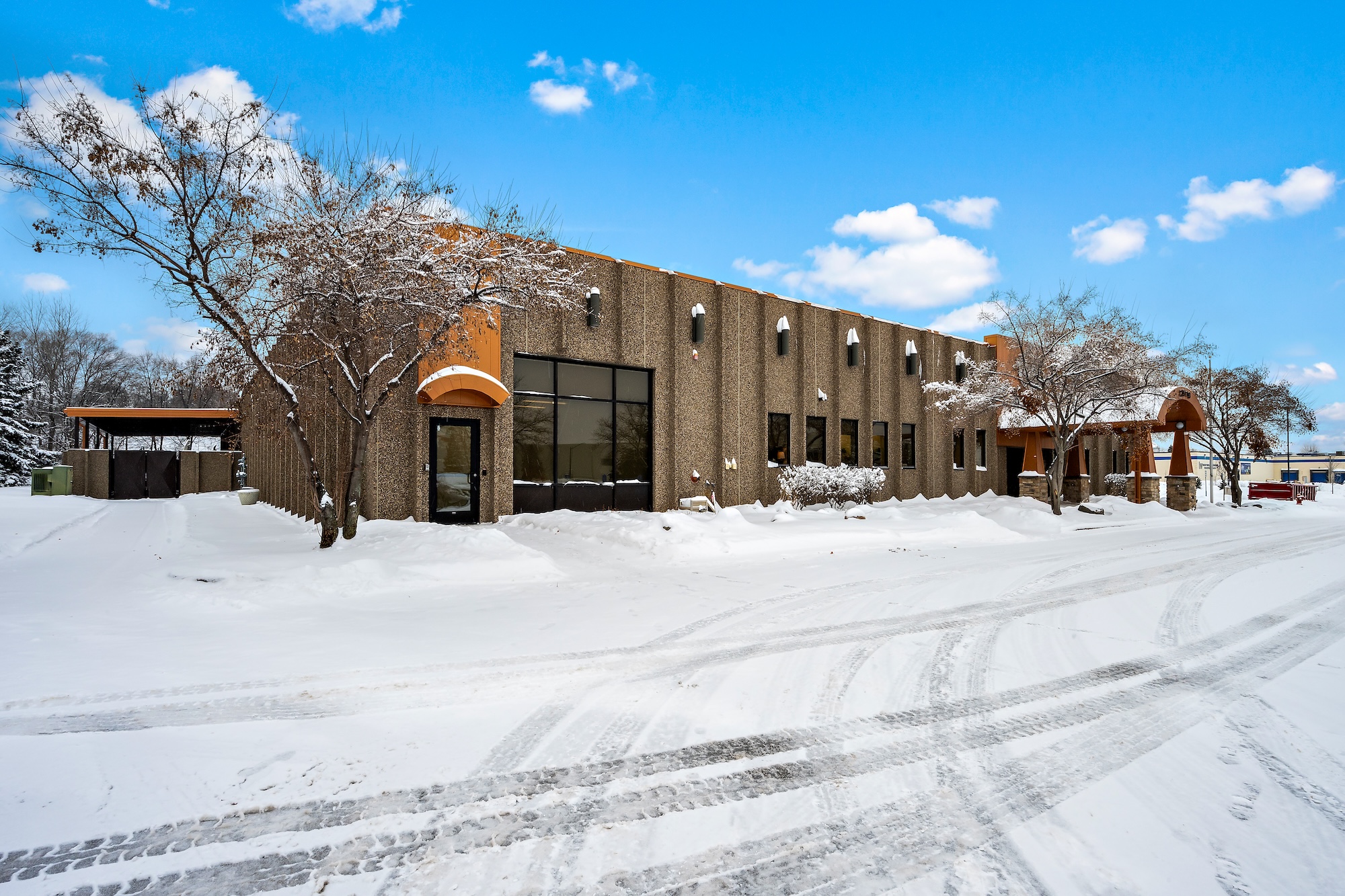
Flex space is exactly what it sounds like: commercial space designed to serve multiple purposes. A flex building might accommodate an office in the front, a light-manufacturing or warehouse area in the back, and potentially retail or showroom space as well.
For owner-operators and small businesses looking to consolidate their operations, flex space is often an ideal solution. We manage a significant amount of flex space within our portfolio across the Upper Midwest.
How Commercial Real Estate Works: Buying, Leasing, and Developing
Whether you are a first-time investor or an established business owner, there are three primary ways you might engage with commercial real estate:
Leasing Commercial Space
Leasing is the most common entry point into commercial real estate. As a tenant, you pay rent to occupy space owned by someone else. Commercial leases are typically longer than residential leases, often starting at three or five years, and involve more negotiation around terms like tenant improvement allowances, lease escalations, renewal options, and exclusivity clauses.
If you are a business owner evaluating commercial space for lease in Minnesota or the surrounding Upper Midwest, working with a leasing representative who understands both your business needs and local market conditions is essential. EFH Realty Advisors provides leasing representation with a focus on long-term tenant fit and asset value.
Purchasing Commercial Property
Buying commercial real estate can be a transformative financial move both for business owners who want to own the building they operate in and for investors seeking income-producing assets. Commercial property values are typically tied to cap rates and net operating income, meaning the property’s ability to generate rent is central to its valuation.
The buying process involves due diligence, financing, title review, environmental assessments, and often significant negotiation. Having a commercial brokerage partner with deep local market knowledge is critical to making the right acquisition decision.
Developing Commercial Real Estate
Commercial development involves acquiring land and building a new property from scratch or acquiring an existing property and repositioning it through renovation or expansion. This is where the complexity of commercial real estate truly peaks, and where the right development partner can make or break your project.
A full commercial development process typically includes:
- Site identification and acquisition
- Zoning analysis and entitlement navigation
- Architect and consultant coordination
- Design-build construction
- Tenant leasing and buildout
- Ongoing property management
We refer to this as a land-to-lease ecosystem. This is our fully integrated approach where one partner guides you through every stage of development and beyond.
Why Commercial Real Estate Matters for Business Owners and Investors
Commercial real estate is not just about finding a place to do business. It is a long-term asset decision with major implications for your financial future.
For business owners:
Owning your commercial space rather than leasing it can eliminate rent volatility, build equity, and create a legacy asset. Many successful regional businesses in the Upper Midwest have transitioned from tenant to owner, fundamentally changing their cost structure and financial stability.
For investors:
Commercial real estate offers stable, long-term cash flow through tenant leases, appreciation potential, and tax advantages including depreciation. Unlike residential rentals, commercial tenants often have longer lease commitments and share more operating costs, creating a more predictable income stream.
In both cases, the quality of the property, the strength of the leases, and the expertise of the team managing and operating it are what determine long-term success.
Commercial Real Estate in Minnesota and the Upper Midwest
The commercial real estate market in Minnesota, North Dakota, South Dakota, Iowa, and Wisconsin has its own distinct characteristics and its own opportunities.
The Twin Cities metro remains one of the strongest commercial markets in the Midwest, with consistent demand across office, medical, retail, and industrial sectors. Secondary markets like Fargo, Sioux Falls, Duluth, and Rochester are experiencing accelerating growth as businesses look to expand regionally without the overhead of major coastal metros.
The upper Midwest is characterized by strong fundamentals: stable population growth, diversified economies, a deep base of family-owned businesses, and a culture that values long-term relationships over short-term transactions. These are the same values we were built on, and the same qualities that make this region such a compelling place to invest in commercial real estate.
We currently manage hundreds of thousands of square feet of commercial real estate across this region, spanning retail centers, office buildings, industrial properties, and flex space. Our portfolio spans communities including Minneapolis, Burnsville, Lakeville, Maple Grove, and beyond.
How to Get Into Commercial Real Estate
One of the most common questions we hear from business owners and aspiring investors is “how do I get started in commercial real estate?” The honest answer is that it depends on your goals, your capital position, and how much hands-on involvement you want.
Here are the most common entry points:
- Purchase the building your business operates in. This is one of the most impactful moves a growing business can make because it converts rent into equity.
- Acquire an income-producing property. Purchase a retail, office, or industrial property with existing tenants generating revenue from day one.
- Develop a new commercial property. Buy land and build a purpose-designed facility, either for your own use, to attract specific tenants, or as a long-term investment asset.
- Reposition an existing asset. Acquire an underperforming property and renovate it to increase value, attract better tenants, and improve net operating income.
Regardless of which path you take, the most important first step is working with a team that can help you evaluate feasibility, understand your market, navigate the development process, and think beyond the transaction to long-term performance.
That is exactly what we are built to do. Whether you are a first-time developer who needs help assembling your team and understanding the process, or an experienced investor looking for a reliable construction and management partner, we provide the expertise and perspective to guide you from initial concept to operational success.
What to Look for in a Commercial Real Estate Partner
Not all commercial real estate firms are built the same. As you evaluate partners for construction, brokerage, or property management, here are the qualities that separate the best from the rest:
- Integrated expertise. Firms that combine construction, brokerage, and property management under one roof can make decisions with full visibility into the physical, financial, and operational dimensions of your asset.
- Long-term ownership perspective. The best commercial partners think like owners, not just transaction processors. They care about what a property looks like in 10 years, not just at closing.
- Regional depth. Local market knowledge includes zoning norms, contractor relationships, tenant demand by submarket and cannot be replicated by national firms operating at scale.
- Transparency and communication. Commercial projects are complex. The best partners keep you informed, flag cost changes early, and welcome your involvement in key decisions.
- A track record you can verify. Look at their project portfolio, their managed properties, their repeat client rate. Past performance in the commercial real estate world is a strong signal of what you can expect.
As a third-generation, family-owned firm based in the upper Midwest, we have spent decades developing an integrated platform that serves every stage of the commercial real estate lifecycle. Whether you are a business owner ready to own your space, an investor looking to grow your portfolio, or a developer who needs an experienced team to take a project from land to lease, we’re the partner built for what comes next.
Explore our commercial real estate services or browse available commercial properties for sale and lease in the Upper Midwest.