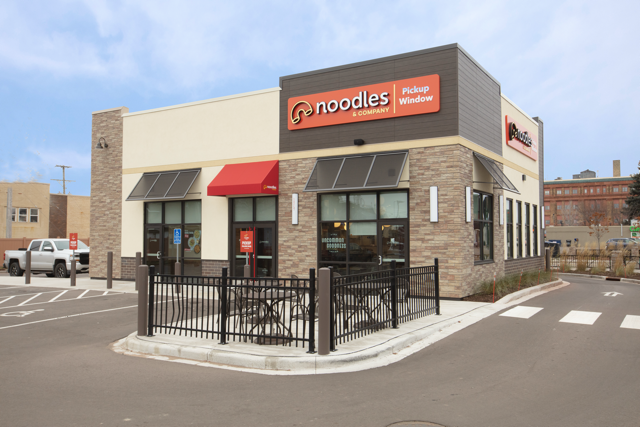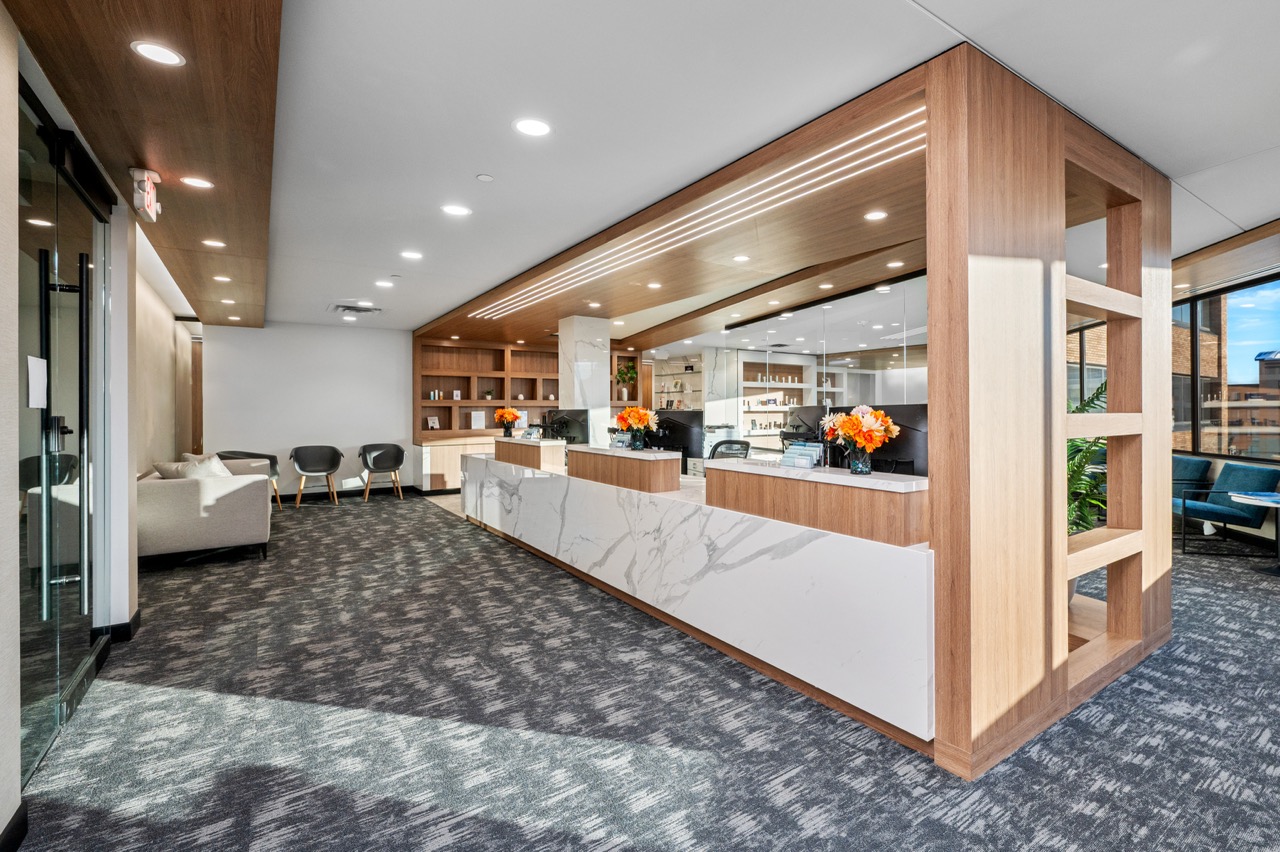


If you’re planning a commercial construction project, whether it’s a ground-up build, an office expansion, or a new retail facility, one of the most important decisions you’ll make is how to structure the project itself. And increasingly, business owners and developers across the upper Midwest are choosing design-build over the traditional approach.
There are many benefits to the design-build approach for commercial construction, namely efficiency. That’s because design-build integrates architecture and construction for a comprehensive planning process that saves time and fosters better collaboration.
What is design-build for commercial construction?
Design-build is a project delivery method that puts your architect, engineers, and general contractor together on one contract. Rather than hiring a designer separately and then bidding the work out to contractors who had no hand in the plans, you work with a single partner who is responsible for both the design and the construction.
The alternative is the more traditional “design-bid-build” approach. This approach involves hiring an architect to draw up plans, then soliciting bids from contractors to execute them. This puts more of the legwork on your plate, and while it seems like you have more control over your project by hiring each team separately, in practice, it can create gaps in communication, misaligned incentives, and costly surprises when what was designed doesn’t match what can realistically be built on your budget.
How the design-build process works
The design-build process is most valuable when a client comes to a firm with a vision but without a fully formed plan, which is fairly common. After all, you have an end goal in mind, but it’s your build team’s job to bring it to life.
At EFH, many clients reach out knowing they want to build for their commercial construction project, but not fully knowing where to start. The design-build process typically looks like this:
1. Discovery & Site Selection Before a single line gets drawn, the right design-build partner helps you think through site selection, zoning requirements, and development feasibility. This early guidance can save significant time and money before the project gets underway.
2. Assembling the Team A design-build firm coordinates architects, engineers, and consultants on your behalf. You don’t have to manage those relationships independently or worry about whether everyone is aligned on scope and budget.
3. Design with Cost in Mind Because the builder is involved in design decisions from the start, cost implications are considered in real time. There are no late-stage “value engineering” conversations where you learn a beautiful plan can’t actually be built for what you budgeted.
4. Permitting & City Approvals Navigating local zoning boards, building departments, and approval processes is one of the more opaque parts of commercial development. A design-build partner with regional experience handles this coordination and keeps your project on track.
5. Construction & Delivery With design and construction managed by the same accountable team, the handoff from planning to breaking ground is seamless. Changes in scope are addressed faster, and the client isn’t caught in the middle of disputes between a separate architect and a contractor.
Benefits of design-build for your commercial construction project
Single point of accountability. In a traditional design-bid-build setup, the architect and the general contractor are separate entities with separate contracts. When something goes wrong, clients often find themselves in the middle of a blame game. With design-build, there’s one team responsible for delivering the entire project. Disputes about whether a problem originated in the design or the execution get resolved internally, on the firm’s time, not yours. From your perspective as the owner, there is simply one party accountable for getting it done right.
Faster project timelines. Because design and construction planning happen concurrently rather than sequentially, design-build projects typically move faster from concept to completion. Procurement conversations, subcontractor scheduling, and material lead times can begin while design is still being refined, rather than waiting for a 100% complete drawing set before anything else moves. In the upper Midwest, where the construction season is genuinely constrained by winter weather, faster pre-construction timelines can be the difference between breaking ground in spring or waiting another year.
Better cost control from day one. One of the most common frustrations in traditional commercial construction is receiving a set of plans from an architect and then watching a contractor price it out far above budget. By that point, you’ve already paid for design work that now needs to be redone. In design-build, the builder is part of design conversations from the start, which means cost implications are flagged and addressed in real time, before decisions are locked in. The result is a project that’s designed to be built within your budget, not designed and then value-engineered down to it.
Climate-informed design and scheduling. Building in Minnesota, Wisconsin, the Dakotas, and Iowa is genuinely different from building in other parts of the country. Frost lines in Minnesota run 42 to 60 inches deep depending on location, requiring deep footings and frost walls that have to be engineered correctly from the start. Concrete pours require seasonal additives in cold weather. Spring thaw and wet soil conditions affect excavation timing. Roof and wall systems need to perform under decades of freeze-thaw cycles and heavy snow loads. A design-build firm with deep roots in the upper Midwest doesn’t have to be briefed on these realities; they’re already baked into how the firm designs and schedules every project. An out-of-region or inexperienced contractor learning these nuances on your project adds risk. An experienced local design-build partner removes it.
Navigating local permitting and municipal approvals. Every municipality in the upper Midwest has its own zoning ordinances, setback requirements, and approval processes, and they vary significantly from one city to the next. What moves quickly through planning and zoning in one suburb can take months in another. A design-build firm with established relationships and experience across your region knows what to expect from specific jurisdictions, how to prepare applications that don’t get kicked back, and how to work with city staff to keep a project moving. For clients who have never built before, this part of the process can feel like a black box. With the right design-build partner, it’s handled and you’re kept informed without being buried in the details.
Flexibility as your vision evolves. Commercial clients, especially those building for the first time, often refine what they want as the process unfolds. A tenant requirement changes. A layout gets reconsidered after seeing the site in person. A budget adjustment shifts what’s feasible. In a traditional delivery model, changes like this ripple across separate contracts and can create friction, delays, and additional design fees. In design-build, those changes are addressed within a single team. Scope adjustments are absorbed more efficiently, and the client isn’t negotiating between a designer and a builder who each have their own incentives.
Subcontractor relationships that work in your favor. Design-build firms with deep regional roots have spent years building relationships with the subcontractors, suppliers, and specialty trades that work in this region. In EFH’s case, that’s generations. It matters for a few reasons. Reliable subs show up on time and do quality work. Long-term relationships mean a GC can call in a favor when a project needs to move fast or a scheduling conflict arises. And in markets where good subcontractor capacity is tight, an established design-build firm has access that a one-time or out-of-market contractor simply doesn’t.
A partner who thinks like an owner, not just a builder. Perhaps the most meaningful differentiator in choosing a design-build firm is whether your construction partner brings a genuine long-term perspective to your project. EFH manages approximately 700,000 square feet of commercial real estate across the upper Midwest, including retail, office, industrial, and flex space. That’s not a line item in a brochure. It means EFH’s construction team has seen firsthand how design and build decisions affect a building’s performance, tenant experience, and asset value over time. When EFH recommends a particular layout, material, or system, it’s informed by what actually holds up, not just what looks good on paper or fits the budget at the moment of bid.
Learn more about working with a design-build partner
EFH’s design-build offering is the front door to a fully integrated platform. We handle every step and every situation: If you need help acquiring land, EFH Realty Advisors can assist with site selection and brokerage. If you need to lease the building once it’s complete, EFH can help with that too. If you want ongoing property management, EFH manages properties across the region and can step into that role. Roughly 30% of EFH’s construction clients also work with EFH Realty Advisors, and many real estate clients eventually become construction clients when expansion or improvement opportunities arise.
Design-build is the foundation of what we do. To learn more about our process, get in touch.